Showing posts with label Chukotka. Show all posts

Monday, 9 December 2019

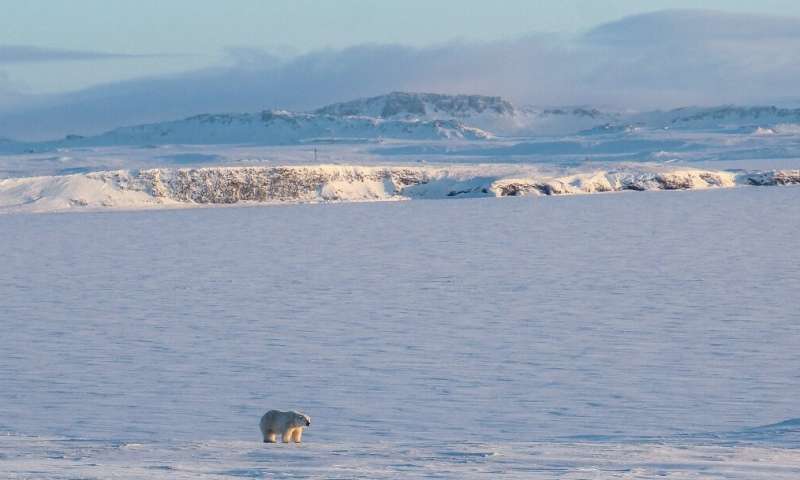
Weak Arctic ice sees 56 polar bears descend on Russian village

DECEMBER 6, 2019


The World Wildlife Fund says that climate change is blame for polar bears coming ever closer to Russian villages in search of food

More than 50 polar bears have gathered on the edge of a village in Russia's far north, environmentalists and residents said, as weak Arctic ice leaves them unable to roam.

The Russian branch of the World Wildlife Fund said climate change was to blame, as unusually warm temperatures prevented coastal ice from forming.

The WWF said 56 polar bears had gathered in a one-square-kilometre (0.4-square-mile) area near the village of Ryrkaipy in Chukotka on the northeastern tip of Russia.

There were concerns they could enter the village, home to fewer than 1,000 people, and patrols had been set up to monitor their movements.

"The number of human and predator encounters in the Arctic is increasing," the WWF said in statement.

"The main reason is the decline of sea ice area due to the changing climate. In the absence of ice cover, animals are forced to go ashore in search of food."

Residents had gathered walrus carcasses in the area to try to keep the bears from wandering into the village.

Sunday, 6 September 2015

Melting sea-ice driving walruses on land

During the late summer and early autumn, the Pacific walruses of the Chukchi Sea north of Alaska and of Russia’s Chukotka prefer to rest on sea ice over the shallow waters of the continental shelf. In those areas they can readily access food on the seabed. However, in most years since 2007 when Arctic sea ice extent plummeted to a record low, walruses have been forced ashore because there has been no sea ice over their preferred shallow feeding areas. 

Photos taken in Ryrkaypiy in Chukotka, Russia show an estimated 5,000 walruses hauled out, while across the strait in the United States, thousands more are hauled out near the village of Point Lay, Alaska. Villagers in both places are working to protect resting walrus herds from curious onlookers, as walruses hauled out in such large numbers on beaches are prone to being stampeded, killing smaller animals in the crush.

“This past July was the second warmest on record for Alaska,” said Pete Ewins, WWF Arctic species specialist. “So it’s not surprising that we’re seeing these animals on the beaches quite early. While haulouts can be potentially dangerous to the animals gathered on shore, we’re concerned about what events such as these mean for the health of the entire Arctic marine system.”


Related Posts with Thumbnails

ShareThis