Showing posts with label East Sussex. Show all posts

Wednesday, 2 November 2016

First-ever fossilized dinosaur brain tissue discovered


October 28, 2016

by Chuck Bednar


Paleontologists have confirmed the discovery of the first ever fossilized dinosaur brain tissue, a 130-million-year-old specimen that was discovered in the UK and which resembled a tiny brown pebble, according to new research reported Thursday by the Geological Society of London.

According to the Guardian and the New York Times, the brain tissue was originally discovered in East Sussex, England by an amateur fossil hunter named Jamie Hiscocks in 2004. The fossil was a cast of the dinosaur’s brain cavity which appeared to contain mineral tissues, the reports said. Forensic analysis of the specimen confirmed the presence of blood vessels and capillaries, tissues from the outer cortex, and the tough tissues that surround the brain itself and help keep it in place (meninges). The tissues were said to be similar to those found in modern birds and crocodiles.

Read more at

Saturday, 19 July 2014

Birth of twin red pandas gives hope for future of one of the rarest - and cutest - mammals

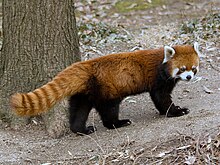
A red panda standing on the groundIt was a regular Monday morning at Drusillas Park in East Sussex when head keeper Mark Kenward went in to check on the centre's red pandas as part of his daily rounds. The creatures were in the enclosure that has been their home since they were brought to Alfriston last year, having been paired as part of the European breeding programme from their respective homes in Asson Zoo, France, and Paignton Zoo, in Devon.

On this particular visit last month, Kenward was met by Tibao, the male. This in itself was a little odd – it was usually Mulan, the female, the more outgoing of the pair, who was first to say hello. Mulan, though, was nowhere to be seen so Kenward called out to her.

Moments later, the day took a heart-melting turn when she emerged from a nest box. She was gently carrying in her mouth one of two new babies, which have added precious numbers to some 10,000 adult red pandas remaining in the wild. "She brought the cub over, as if to show me, before returning to the box," Kenward says. "I can't explain how happy I was."

Thursday, 7 July 2011

New butterfly reserve in East Sussex to conserve Small Pearl-bordered Fritillary

New Rowland Wood Reserve will help save rare butterflies

July 2011. A nature reserve that could play a key role in securing the long-term future of one of England's most threatened butterflies is now open. Butterfly Conservation's new Rowland Wood Reserve in East Sussex will help to support the last remaining population of the Small Pearl-bordered Fritillary in the South East.

The butterfly, which has distinctive rows of pearl-like silver spots on the underside of its wings, has suffered from a catastrophic population decline over the last 40 years. It is extinct in Kent and has probably been lost from Surrey.

77 acre reserve
But the Small Pearl-bordered Fritillary, which boasts dappled orange and black upper wing markings, has a new home in Rowland Wood after clinging on in the charity's smaller Park Corner Heath reserve next door. The 77-acre site has been set up to help safeguard this threatened butterfly's future in a region where it remains extremely vulnerable.

Butterfly Conservation Vice President and BBC, The One Show wildlife reporter, Mike Dilger said: "The Small Pearl-bordered Fritillary is one of our most stunning and threatened butterfly species. The opening of Rowland Wood Reserve offers them a great chance of surviving in the South East and will give the public the opportunity of watching these tantalising butterflies at first hand."

Reduction in coppicing
The Small Pearl-bordered Fritillary was once widespread throughout much of the UK, but a reduction of traditional woodland management practices such as tree coppicing, is believed to be behind the insect's decline in its southern range.

Vert Wood
The Rowland Wood site is part of the large Vert Wood complex - a location much-loved by Victorian butterfly collectors. The area is still famed for its butterflies with regular sightings of the White Admiral, Grizzled Skipper and the Silver-washed Fritillary. It is also a haven for nightingales, nightjars, dragonflies, damselflies and dormice.

Michael Blencowe who organises Butterfly Conservation's volunteer workers on the reserve said: "As soon as we purchased the site members from our Sussex branch were in the wood opening it up to allow in more light. Our volunteers created a number of sunny corridors and within months the butterflies responded and Small Pearl-bordered Fritillaries moved straight into these newly created habitats."

http://www.wildlifeextra.com/go/news/sussex-butterflies.html#cr

Thursday, 2 July 2009

A healthy start for Seaford's summer seabird spectacular

One of the South East's last remaining kittiwake colonies is back and breeding well, we can reveal.

The first chicks have begun to hatch at Seaford's Splash Point, East Sussex indicating a successful year for this important seabird colony.

Kittiwakes, medium-sized gulls with black wing tips, only come to shore once a year to breed. The East Sussex cliff-top colony, made up of around 700 pairs, has become increasing significant in recent years as kittiwakes struggle to breed in strongholds along the coast of northern England, Scotland and Wales.

Declines at these larger colonies are thought to be connected with a lack of sand-eel fish in the seas around the sites, most likely linked to climate change. The sand-eel is the kittiwake's main food source. Population declines have led to the kittiwake being amber listed as species of conservation concern.

Kate Whitton, Date With Nature organiser at RSPB South East, said: 'Sussex's kittiwake colony seems to be doing well, welcome news, especially as things seem to be nose-diving elsewhere.

'I've been visiting Splash Point and have seen lots of healthy chicks, some nests even have two in them, which is a big relief. By the end of the month we should see the chicks fledge and start swooping over the cliffs and the sea just like their parents.'

Sussex can enjoy Splash Point's kittiwake colony with the RSPB from this Saturday. Binoculars and telescopes will be provided for the month-long Date With Nature, allowing visitors to get close-up views of the kittiwakes as they raise young.

A Date With Nature at Splash Point comes during crucial lobbying by the RSPB and other conservation bodies for increased protection of marine wildlife through the Marine and Coastal Access Bill. The Bill is currently being debated by Parliament and is due to pass into law later this year.

Through the Safeguard Our Sealife campaign the groups want a coherent network of marine zones to be created and given legal protection to ensure the health of the sea, and the survival of the wildlife that depends on it.

Kate added: 'Splash Point is an incredible colony to watch. You'll hear the kittiwakes' unusual 'kitti-waaark' calls, and see countless chicks nesting on ledges so steep they take your breath away. It's a timely reminder of how much is at stake with the Marine Bill.'

The RSPB's Date With Nature starts this Saturday [July 4] and runs until Sunday, August 9. The team will be at the eastern end of Seaford Promenade every day except Wednesdays from 10 am to 5 pm.


Related Posts with Thumbnails

ShareThis