Showing posts with label three-toed sloth. Show all posts

Sunday, 27 April 2014

How Sloths Hang Upside Down Without Getting Tired

By Megan Gannon, News Editor | April 25, 2014 03:57pm ET

Famously sluggish sloths spend most of their lives upside down. But unlike humans, these creatures don't have trouble breathing in that inverted position, because their internal organs are fixed in place, new research finds.

Three-toed sloths (Bradypus variegatus) have special "adhesions" that anchor their guts to their lower ribs, preventing their organs from pressing down on their lungs, scientists say.

Sloth organs can be heavy, especially when a lot of waste builds up in their bowels. The animals, which live in the rain forests of Central and South America, are so economical in their energy use that they only leave the trees to poop once a week. (Why bother leaving the canopy at all? A recent study found that by pooping on the forest floor, sloths help create a breeding ground for moths that live in the animals' fur; these moths in turn boost the presence of algae, a crucial part of the sloths' diet.)

Thursday, 30 January 2014

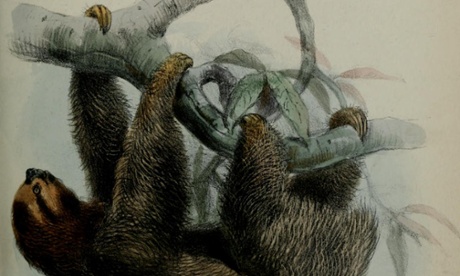
Plate 3: The peculiar greenness of the three-toed sloth

Why do three-toed sloths often have a green tinge to their fur?

Berthold Seeman’s three-toed sloth 
from Nicaragua. Internet Archive. 
Photograph:Internet Archive
This engraving of a pale-throated sloth appears in an article on three-toed sloths by zoologist John Gray published in 1871. He had just received an interesting letter from German botanist Berthold Seemanwho was fascinated by the “greyish-green colour” of a specimen he’d brought back from Nicaragua. He fancied it was camouflage, the sloths blending in with the similarly coloured Spanish moss Tillandsia usneoidesthat festooned the trees. Observing that the green hue faded when he dried the animal’s skin out over a fire, Seeman speculated that the greenness might be “owing, at least in part, to the fact that the hair becomes covered with minute cryptogamic organisms, the damp climate and thick gloomy forests favourable to their growth.”

Related Posts with Thumbnails

ShareThis