Tuesday, 1 April 2014

IPCC report: climate impacts on wildlife

Plants, animals and entire ecosystems are on the move as rising temperatures force species to seek out cooler climes

Jessica Aldred

theguardian.com, Monday 31 March 2014 12.31 BST

One focus of the latest report from the UN panel on climate change is the impact on Earth's ecosystems. The report from the Intergovernmental Panel on Climate Change (IPCC) says that in recent decades, many plant and animal species have moved their range, changed numbers or shifted their seasonal activities as a result of warmer temperatures.

Moving on up
Species are matching temperature rises by increasingly shifting their range (the geographic area to which their activity is confined) towards the cooler poles or higher altitudes – sometimes three times faster than previously thought. Species that already inhabit the upper limit of their habitat – such as the polar bear, snow leopard or dotterel – literally have nowhere left to go.

Crimea's dolphin army: Navy SEALS are one thing, but an elite marine military unit?


Reports of the Russian Navy kidnapping Ukraine’s dolphin force may smell fishy, but the mammals have been a (secret) global military tool since 1959


Thursday 27 March 2014


It sounds like something from a James Bond film, but reports from the Crimean peninsula that Russian forces have “taken control” of Ukraine’s secretive military dolphin programme are probably closer to Dr Evil’s laser-toting sharks in Austin Powers than military reality.

Dolphins have been used by American and Russian forces since the 1960s and media reports that the Sevastopol-based “elite dolphin combat unit” switched allegiance in recent days has made headlines all over the world. The news came after the Russian Black Sea Fleet took control of Ukraine’s naval forces on the disputed peninsula, where the clever marine mammal unit was reportedly formed, depending on which reports you trust, in either 2011 or 2012 to hunt frogmen, detect mines and protect ships.


Man does C-section on dead porcupine, saves baby

March 29, 2014 4:08 PM

LISBON, Maine (AP) — A Maine man in search of a valuable mineral cut open a dead porcupine on the side of the road and unexpectedly pulled out its baby.

Jared Buzzell, of Lisbon, says he was searching for wild mushrooms Thursday when he saw a porcupine get hit by a car in Minot. Buzzell says he'd heard that a valuable mineral deposit used in Chinese medicine formed in the stomachs of porcupines.

He then cut open the dead porcupine to search for the mineral and instead found the baby.

He tells WMTW-TV (bit.ly/1hlWRUl) he cut the umbilical cord and thought the baby porcupine was dead until he started massaging it and it began breathing.

Buzzell is caring for the baby at home and plans to give it to a licensed wildlife rehabilitator.

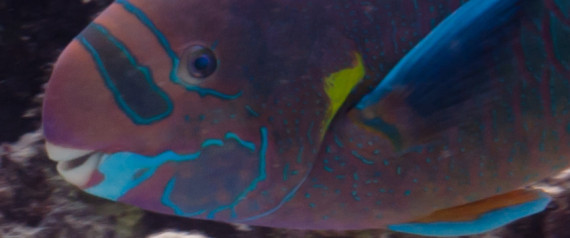
Hawaii's White Sand Beaches Are Made From Parrotfish Poop

Posted: 03/29/2014 4:32 am EDT Updated: 03/29/2014 4:59 am EDT


There are seven quintillion, five hundred quadrillion grains of sand in the world, according to math geniuses at the University of Hawaii. That’s more sand granules in Earth’s seas, lakes, and deserts than there are stars in the universe.

Where does it all come from? In Hawaii, where beaches are constantly ranked thebest in the world, a significant portion of that pristine, white, beautiful sand is actually poop.

Yep, poop.

Parrotfishes, or uhu in Hawaiian, are key players in regulating algae and reef life. Their parrot-like beaks and fused-together teeth are used for scraping and biting dead coral, while additional teeth in their throats help to break it all down into sand. Snorkelers can actually hear them chomping or see the bite marks they leave on rocks.

Monday, 31 March 2014

Bear cubs rescued in Kosovo

International Animal Welfare Organisation FOUR PAWS has rescued three young bear cubs that were being kept illegally in Peja, Kosovo.

First discovered was a young female aged six weeks. The bear was bought by a family at the age of just three weeks and was being illegally kept in their flat.

The family were busted by local police after they posted information up on Facebook detailing how they got the bear, and how it was being kept. The cub was confiscated soon after by the Kosovo Environment Ministry and police officers. However, just days later on 19 March, two more bear cubs were discovered in the same area. As the cubs were the same age as the female cub, it is thought likely that the three are siblings.

FOUR PAWS relocated the three cubs – which they have named Ema, Oska, and Ron – to their bear sanctuary in Prishtina, where they are being cared for. But as bear cubs in the wild spend at least two years with their mother, the condition of the young cubs remains serious. FOUR PAWS bear expert Carsten Hertwig explains that the cubs are stressed, fearful, and very weak. “Ema doesn’t even weigh three kilos,” he describes. “We hope that the rescue was in time and that with our expert care the cubs can pull through and recover.”

The private keeping of brown bears has been illegal in Kosovo since 2010, and FOUR PAWS is calling for the animal dealers who sold the cubs to be found and brought to justice. “There should also be legal action against the family, which bought and kept the bear illegally,” says Hertwig. 

Related Posts with Thumbnails

ShareThis